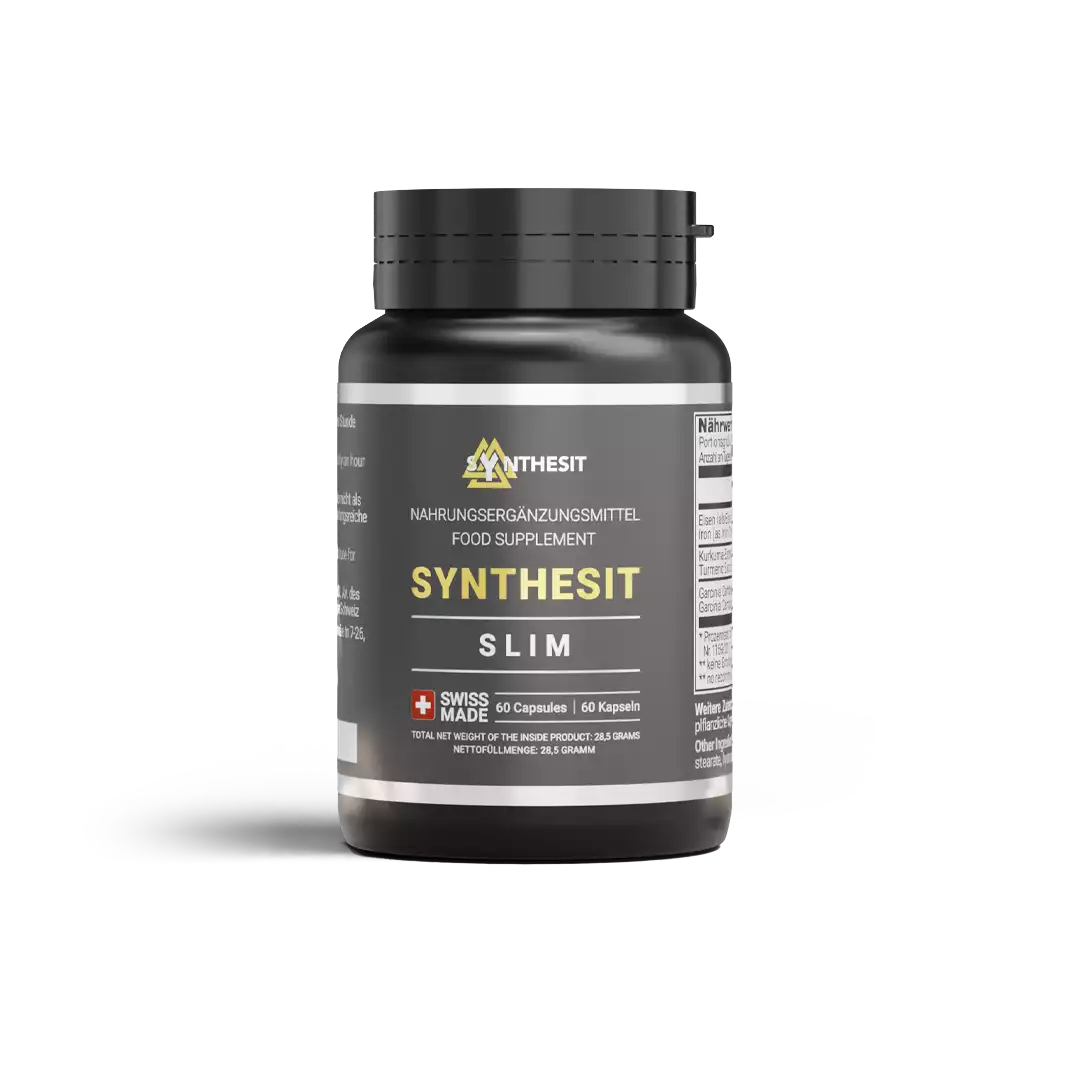
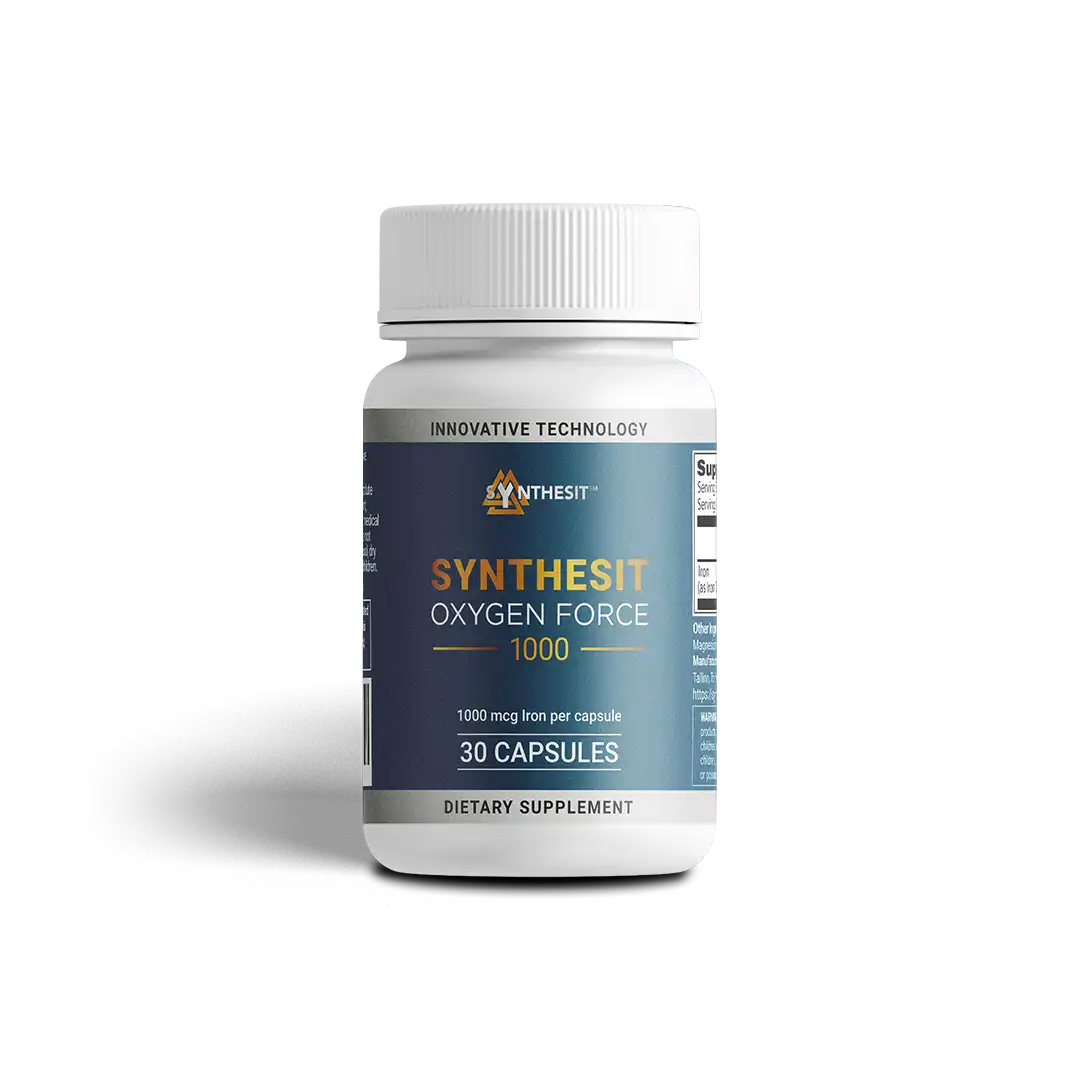
Queries such as "peptides for health," "what are peptides," "Synthesit, what is it," and "Synthesit's action" are common search queries. People are looking for modern solutions to support metabolism, energy, tissue repair, and slow down age-related changes. In this article, we'll discuss the different types of peptides, where they are produced, how they work in the body, and how Synthesit's mechanism of action differs. We'll also compare their effects on metabolism and explore the benefits of an integrated approach.

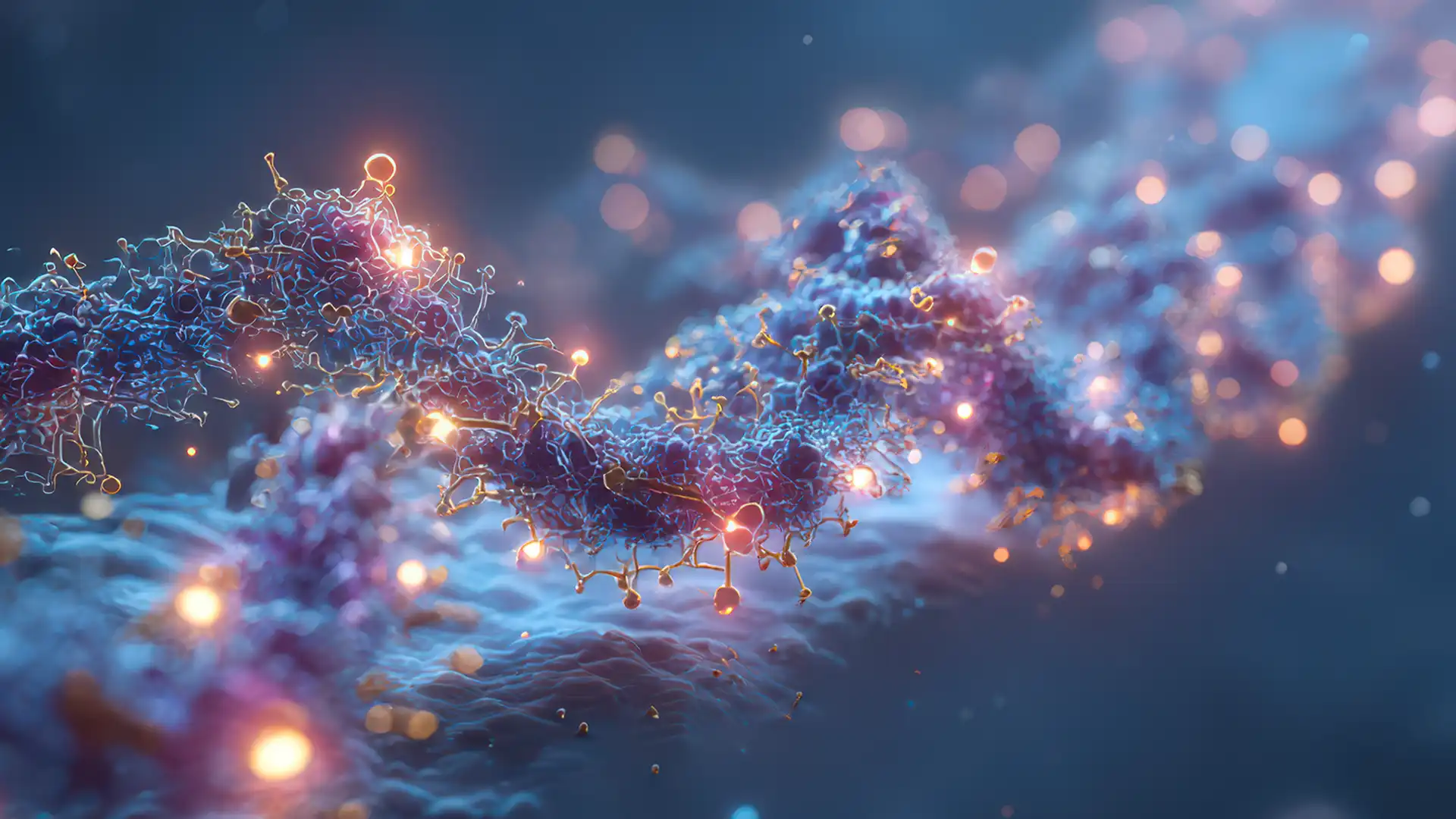
Peptides are short chains of amino acids that participate in the regulation of processes within cells. Essentially, they are signaling molecules that help the body "transmit commands" to tissues and organs. Various types of peptides are used in medicine and nutrition: synthetic laboratory peptides, bioregulatory peptides of animal origin, and peptide complexes obtained through biotechnology.
Synthetic peptides are most often created in laboratories and used in research or specialized therapy. Bioregulatory peptides can be produced from animal-based raw materials and are used to support specific organs. There are also cosmetic peptides that are added to creams and serums to stimulate collagen production and improve skin condition.
The main idea of peptide therapy is to "tell" cells how to function properly, activate restorative processes, and improve metabolism. This is why peptides are often associated with rejuvenation, tissue regeneration, and organ support.
The patients who have been taking Synthesit since 2019 note it helps them maintain normal blood pressure, and in some cases, reduce the dose or completely withdraw from conventional hypotensive drugs. All the changes in medication regimen were under the supervision of attending physicians. This is related to the key features of high blood pressure such as damaged arteries and the restriction of blood flow to the heart and other organs and tissues of the body.
Metabolism is a set of chemical processes that ensure energy production, cell renewal, and the maintenance of vital functions. Peptides can help regulate these processes by acting on cell receptors and activating protein synthesis.

Some peptides help improve metabolism, accelerate tissue recovery after exercise, and support the endocrine system. However, it's important to understand that peptides primarily act at the signaling level; they regulate processes, but don't always directly improve blood flow and oxygen transport.
Oxygen transport and microcirculation are the foundation of metabolism. Without sufficient blood and oxygen supply, cells cannot fully utilize signaling molecules.
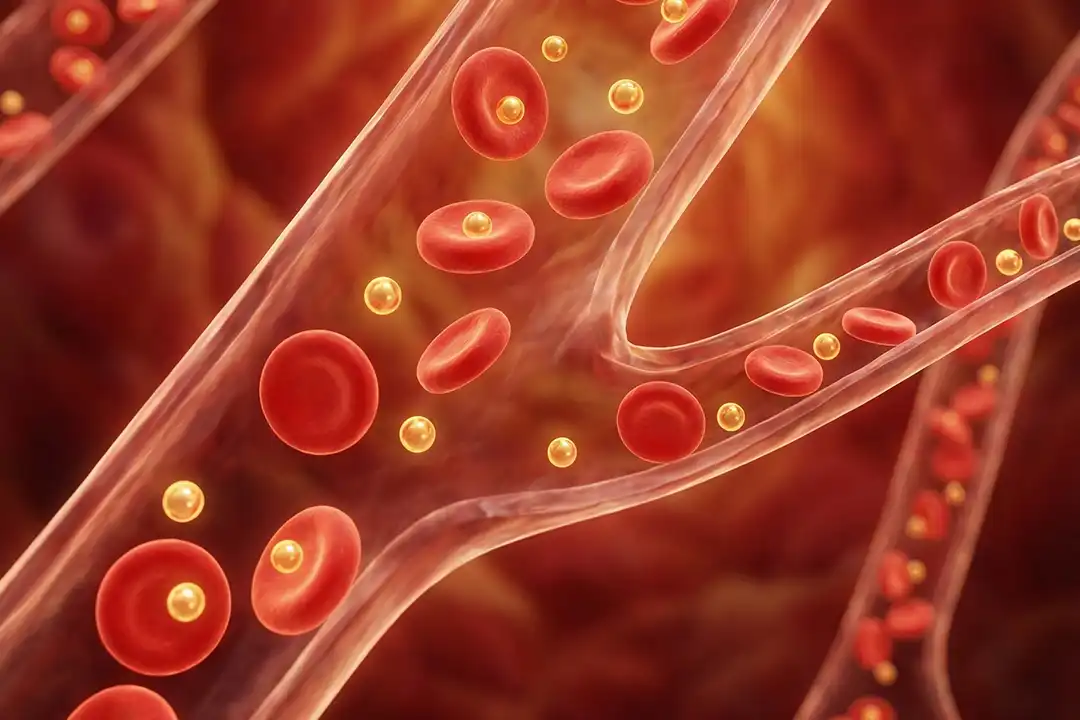
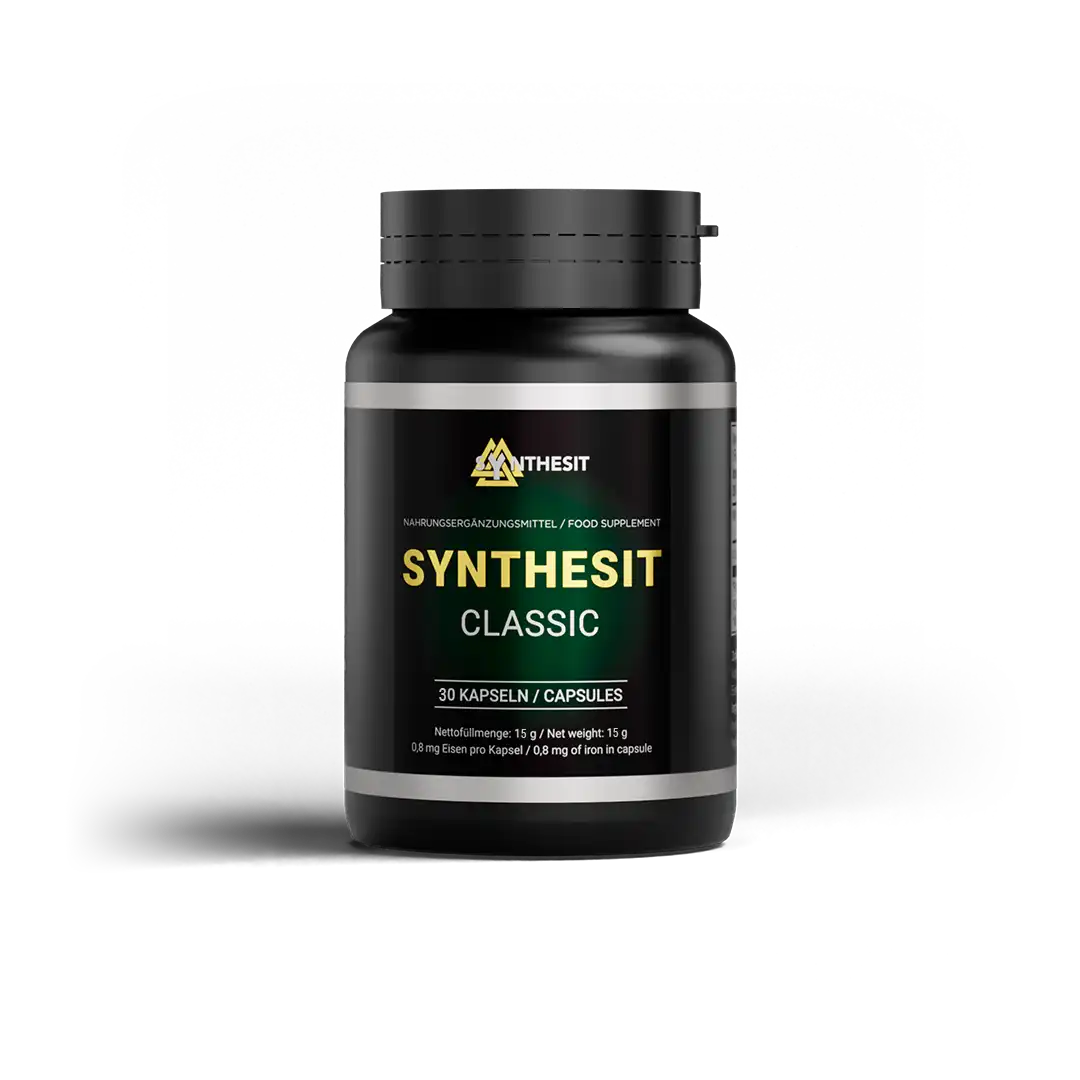
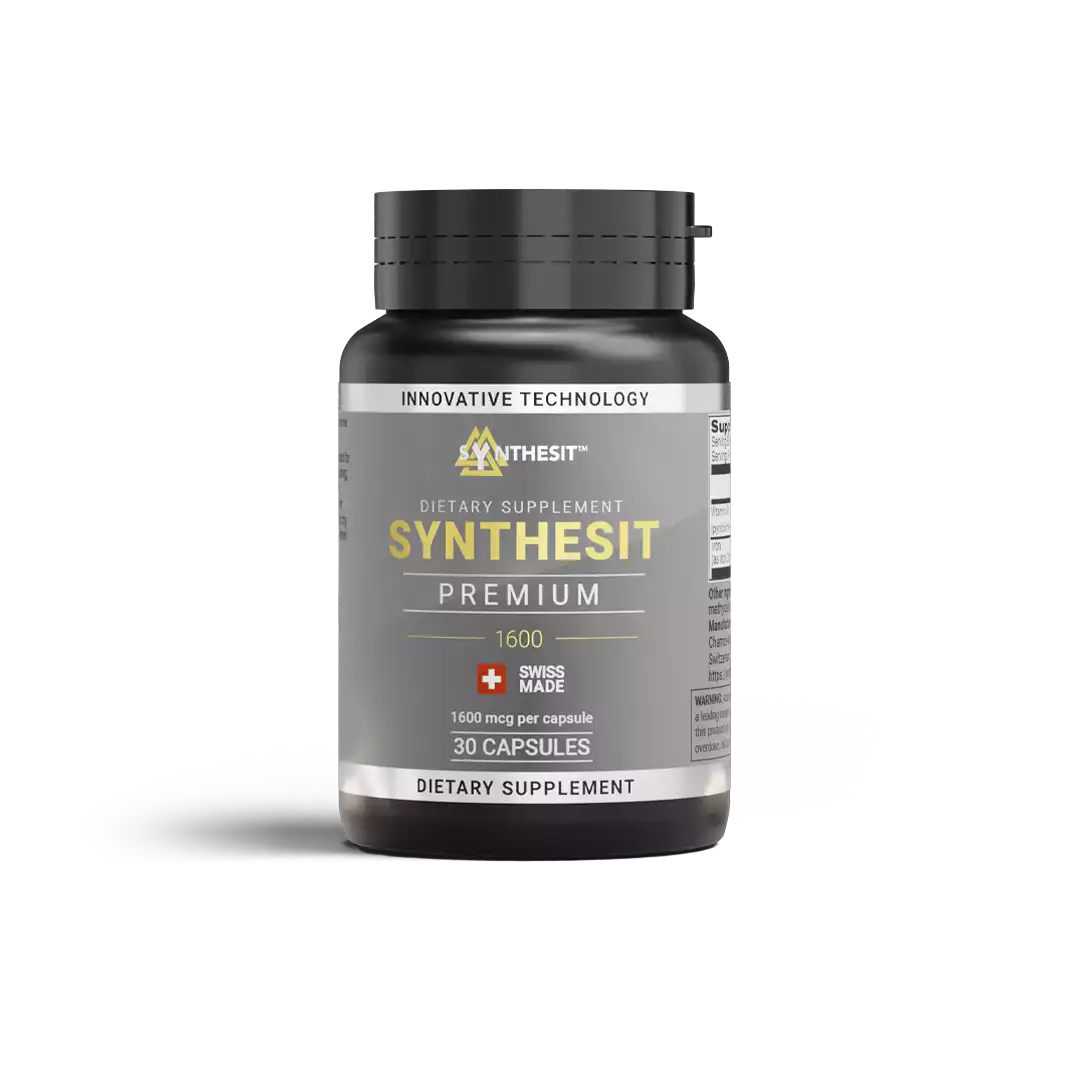
Synthesit is a natural mineral with a unique structure that improves microcirculation and increases the blood's oxygen-carrying capacity by breaking up red blood cell chains. Unlike peptides, which act through signaling mechanisms, Synthesit works at the level of the physicochemical properties of blood and tissue.

Synthesit's main effect is related to improved blood flow and increased oxygen delivery to cells. This directly impacts metabolism, as every cell requires oxygen to produce energy in the mitochondria. The better the tissue oxygenation, the more active the processes of protein repair and synthesis.
Thus, if peptides can be compared to a "command" for the cell, then Synthesit creates the conditions under which this command can be carried out most effectively.
Peptides act on cellular receptors and regulate biochemical processes. Synthesit improves oxygen transport and microcirculation, which is essential for normal metabolism. Peptides work at the signaling level, while Synthesit provides cells with resources.
What they have in common is their desire to improve cellular activity and support natural regeneration processes. The difference lies in their mechanism of action. Peptides initiate regulation, while Synthesit enhances the conditions for its implementation.
With insufficient microcirculation, even active signaling molecules may be less effective because the cell simply lacks oxygen and nutrients. Therefore, improving blood flow is a key step in normalizing metabolism.
Important
Peptide supplements are recommended to be taken only after consulting a doctor and undergoing the necessary tests, as they can have a regulatory effect on the body's hormonal and metabolic systems.

In the initial stage, Synthesit can help improve metabolism by enhancing microcirculation and increasing tissue oxygenation. This is reflected in energy levels, endurance, and recovery speed after exercise.
By normalizing blood flow, organ nutrition improves, mitochondrial function is activated, and the efficiency of metabolic processes increases. This creates the foundation for more stable body function, especially after 40–50 years of age, when the natural metabolic rate decreases.
Thus, Synthesit can be considered a basic metabolic support that enhances natural processes without interfering with hormonal or receptor regulation.
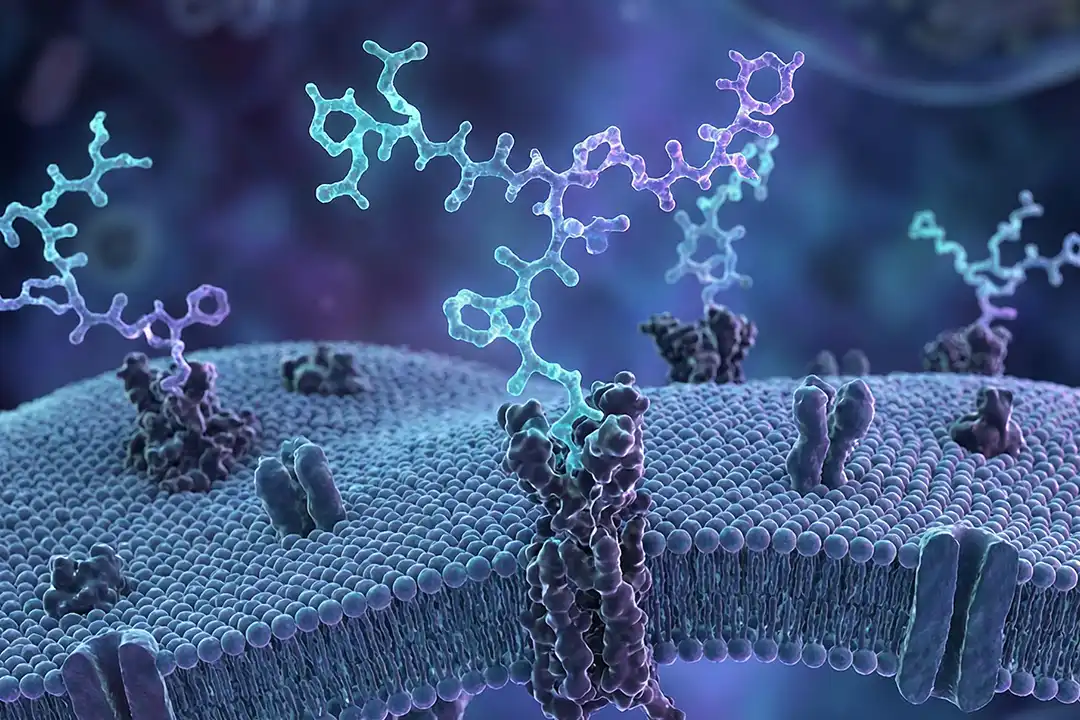
Synthesit is not a hormonal or synthetic compound. It works at the level of microcirculation and the physicochemical properties of the blood. Its action is aimed at improving oxygen transport and creating conditions for proper cellular function.
Unlike narrowly targeted peptides, Synthesit has a systemic effect on the body. It can support metabolism, vascular function, energy levels, and recovery processes simultaneously.
Another advantage is its versatility. Improved microcirculation has a positive effect on various organs and systems, including the brain, heart, muscles, and skin. This makes Synthesit a basic body support tool that can be combined with other approaches.
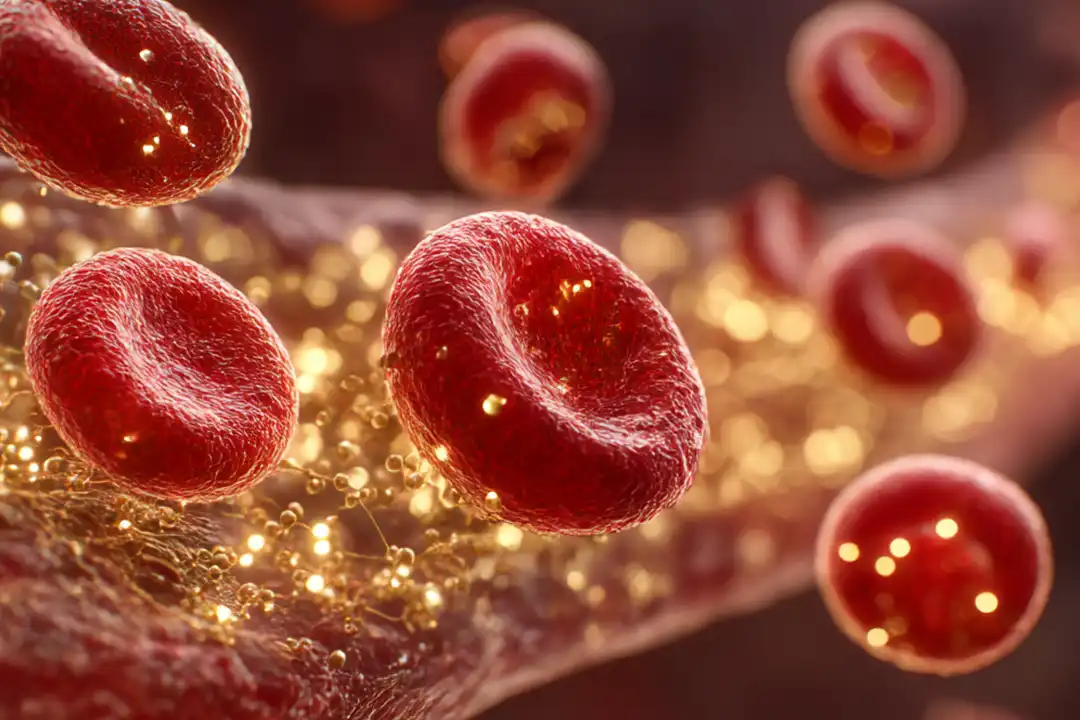
Peptides are modern regulatory molecules that help activate processes within the cell. Synthesit is a mineral that creates the conditions for these processes to function properly by improving microcirculation and tissue oxygenation.
If we consider metabolic support holistically, it makes sense to begin with improving blood flow and oxygen transport. It is at this stage that Synthesit can become an effective foundation, enhancing natural regulatory mechanisms.